

Electricity costs soar as Trump denies disaster aid for Michigan utilities
- Last update: 4 days ago
- 4 min read
- 13 Views
- ECONOMICS
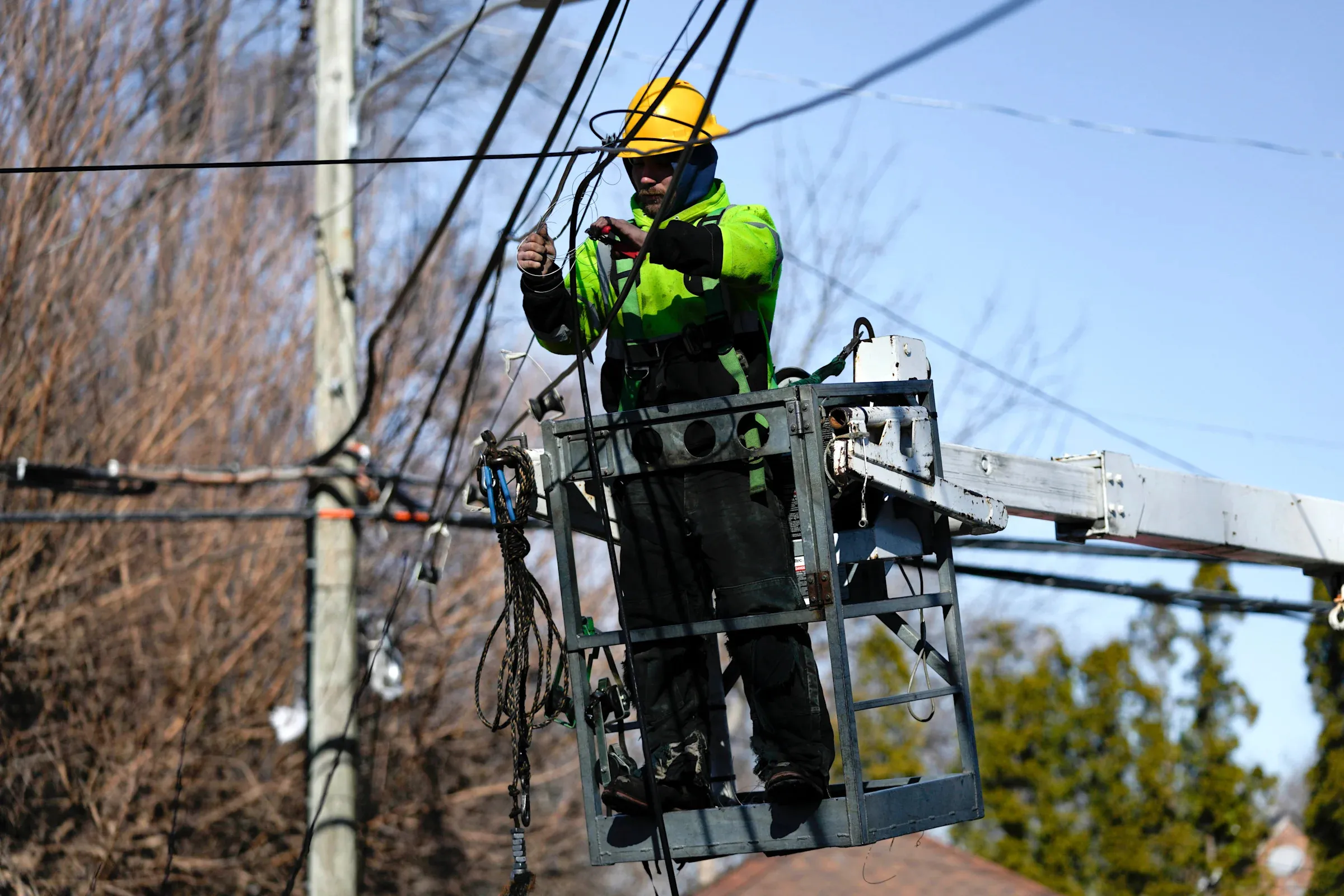
ONAWAY, Michigan A recent move by President Donald Trump to reject disaster assistance for two rural electric cooperatives in northern Michigan could burden residents with tens of millions of dollars in additional costs. The decision, made on October 22, highlights how reductions in federal disaster aid and promises for deeper cuts next year may shift financial responsibility from the federal government to local households trying to rebuild.
The affected region, largely working-class and a strong supporter of Trump in the last election, may now see thousands of dollars added to their utility bills to cover the costs of repairing electric grids damaged during a three-day ice storm in March, officials and lawmakers warn.
Federal records show $90 million in damage to the utilities, almost five times the threshold for qualifying for federal aid. Despite this, the Federal Emergency Management Agency (FEMA) informed Democratic Governor Gretchen Whitmer that assistance for the utilities is not warranted.
Allan Berg, CEO of Presque Isle Electric & Gas (PIE&G) in northeastern Michigan, said, It could be tens of millions of dollars left on the backs of the members. Great Lakes Energy, serving northwestern Michigan, stated that all storm-related costs not reimbursed by state or federal disaster aid will be paid for by the cooperatives entire membership.
Both utilities operate as nonprofit cooperatives serving 160,000 households and businesses, unlike most investor-owned utilities in the U.S. Pete Rose, a retired PIE&G foreman, warned the denial could make the co-op actually go broke if something isnt done to make them whole again.
Whitmer had previously warned that without federal aid, households could face surcharges and rate increases equivalent to at least $4,500 per household. The governors office has not commented on a state proposal to provide direct aid to the utilities. The White House stated that Trump handles disaster requests with great care and consideration, ensuring American tax dollars are used appropriately.
The denial coincides with Trump awaiting an internal report on FEMA restructuring, after previously criticizing the agency as slow and wasteful. He has already paused two FEMA grant programs intended to fund resilience projects. At the end of fiscal 2025, FEMA postponed $15 billion in disaster payments to fiscal 2026.
Since April, Trump has rejected at least nine gubernatorial disaster requests that met FEMAs criteria, including more than $125 million in aid for Chicago residents after storms and flooding. Former FEMA officials report increased scrutiny from the White House, a shift from prior, less detailed reviews.
The Michigan utility denial relied on regulatory technicalities. While presidents typically approve all five FEMA disaster work categoriesroads, parks, public buildings, water facilities, and utility repairsTrumps authorization excluded utilities, despite their $90 million in damage from the ice storm. PIE&Gs CEO called the decision unprecedented.
Whitmer appealed in August, but Trump rejected the request in October, making the decision final. Republican lawmakers, including Rep. Jack Bergman, requested reconsideration, warning that the financial burden would translate into higher rates for residents already facing economic challenges.
Locally, the state legislature has struggled to provide alternative support. A $100 million recovery package passed by the Republican-controlled House remains stalled in the Democratic-controlled Senate. State Rep. Parker Fairbairn highlighted the political gridlock and the hardship on northern Michigan residents.
Residents have begun paying monthly surcharges to cover emergency loans for utility repairs. PIE&G members are paying $20 extra per month to fund $150 million in emergency repairs, while Great Lakes Energy raised rates by an average of $17. Many local residents remain unaware that their financial responsibility could grow significantly.
The affected 20-county region, home to 630,000 people, is a remote, forested area with a tourism-driven economy and higher-than-average poverty and aging populations. During the ice storm, power outages lasted up to two weeks, leaving residents to rely on portable generators and face difficult living conditions.
Community meetings have reflected frustration and concern. Local residents stressed that while they rarely seek federal support, the combination of high electricity rates and disaster damages leaves them vulnerable. Were just looking to survive, said one resident, noting that some may turn to solar panels if rates continue to rise.
Author: Sophia Brooks
Share

Michael Dell to donate $250 to 25 million U.S. children for "Trump accounts"
3 days ago 1 min read ECONOMICS

ALDI Brings Back a Popular Product and It's Priced Under $10
3 days ago 2 min read ECONOMICS

No opposition recommended for the sixth energy storage project near the village
3 days ago 2 min read ECONOMICS

'Micro jobs' aiding individuals escape poverty - charitable organization
3 days ago 3 min read ECONOMICS
Homebuyer seeks guidance as unusual trend spreads across US housing market: 'What's going on?'
3 days ago 2 min read ECONOMICS

What comes next in the Amazon-Teamsters showdown?
3 days ago 3 min read ECONOMICS

Utilizing River Energy for Building Heating in New Project
3 days ago 2 min read ECONOMICS
Farmers warn of serious risk as staple crop becomes harder to grow: 'Production is in jeopardy'
3 days ago 3 min read ECONOMICS

From Biker Bars to Schools, Yondr Founder Sees Phone Pouches as 'Disrupting Impulses'
3 days ago 3 min read ECONOMICS

Sophie Rain from OnlyFans Contemplates if She Made More Money than LeBron James in 2025
3 days ago 2 min read ECONOMICS