

$3.6B in heating assistance finally distributed to states and tribes
- Last update: 6 days ago
- 2 min read
- 21 Views
- ECONOMICS
HARTFORD, Conn. On Friday, around $3.6 billion in previously delayed funding for the Low Income Home Energy Assistance Program (LIHEAP) was released to states and tribal organizations, the National Energy Assistance Directors Association (NEADA) reported. This federal aid, designed to help millions of low-income households cover heating and cooling costs, had been held up due to the federal government shutdown that concluded on November 12.
"This release of LIHEAP funding is critical and long overdue," said Mark Wolfe, NEADAs executive director. "Families can now start receiving the help they need to stay warm as winter sets in."
Typically, states receive their LIHEAP allocations at the start of November. The U.S. Department of Health and Human Services (HHS), which manages the program, has yet to issue a formal public statement confirming the resumption of funding. Following the end of the shutdown, HHS stated that one of its agencies would "act promptly to administer annual awards," attributing the delay to congressional Democrats.
Wolfe noted that state agencies have reported receiving award letters from HHS, allowing them to begin distributing aid to households. HHS did not respond to a request for comment.
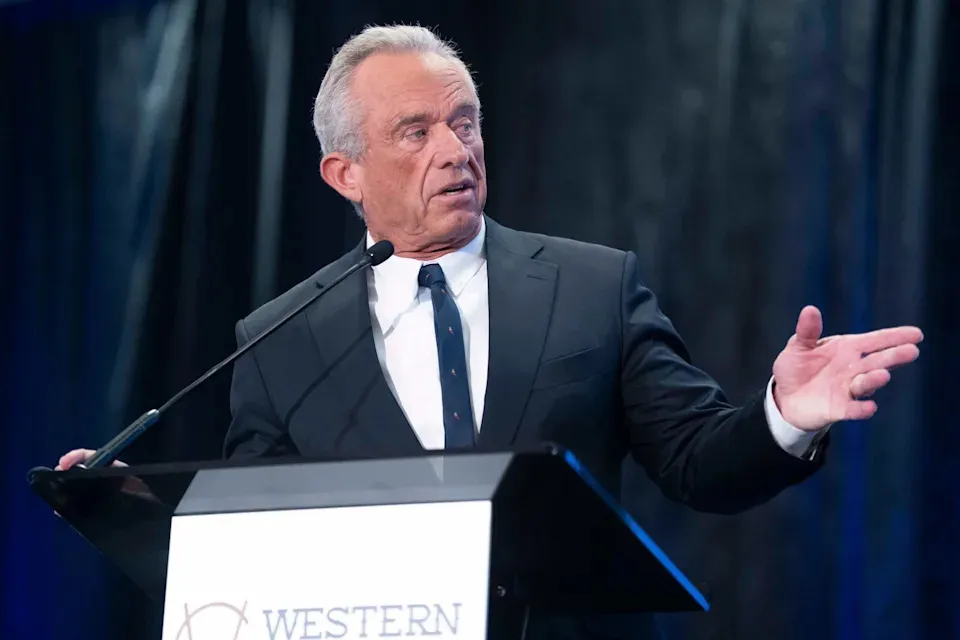
Earlier this week, a bipartisan group of U.S. House representatives urged HHS Secretary Robert F. Kennedy Jr. to ensure LIHEAP funds were released by November 30. With the heating season already underway in many regions, they stressed that immediate action was necessary, particularly for households relying on heating oil or propane, which are not covered by state utility shutoff moratoriums.
Approximately 68% of LIHEAP recipients also receive SNAP benefits. Wolfe highlighted that delays in both programs during the shutdown "put many households in an even more vulnerable position than usual."
While the release of funding on Friday is encouraging, Wolfe emphasized that demand remains extremely high, especially in light of rising energy costs. He also pointed out that outstanding energy bills continue to hover near record levels.
Author: Sophia Brooks
Share

Michael Dell to donate $250 to 25 million U.S. children for "Trump accounts"
4 days ago 1 min read ECONOMICS

ALDI Brings Back a Popular Product and It's Priced Under $10
4 days ago 2 min read ECONOMICS

No opposition recommended for the sixth energy storage project near the village
4 days ago 2 min read ECONOMICS

'Micro jobs' aiding individuals escape poverty - charitable organization
4 days ago 3 min read ECONOMICS
Homebuyer seeks guidance as unusual trend spreads across US housing market: 'What's going on?'
4 days ago 2 min read ECONOMICS

What comes next in the Amazon-Teamsters showdown?
4 days ago 3 min read ECONOMICS

Utilizing River Energy for Building Heating in New Project
4 days ago 2 min read ECONOMICS
Farmers warn of serious risk as staple crop becomes harder to grow: 'Production is in jeopardy'
4 days ago 3 min read ECONOMICS

From Biker Bars to Schools, Yondr Founder Sees Phone Pouches as 'Disrupting Impulses'
4 days ago 3 min read ECONOMICS

Sophie Rain from OnlyFans Contemplates if She Made More Money than LeBron James in 2025
4 days ago 2 min read ECONOMICS