

The incompatibility of mass immigration and generous welfare states
- Last update: 1 hours ago
- 3 min read
- 293 Views
- BUSINESS
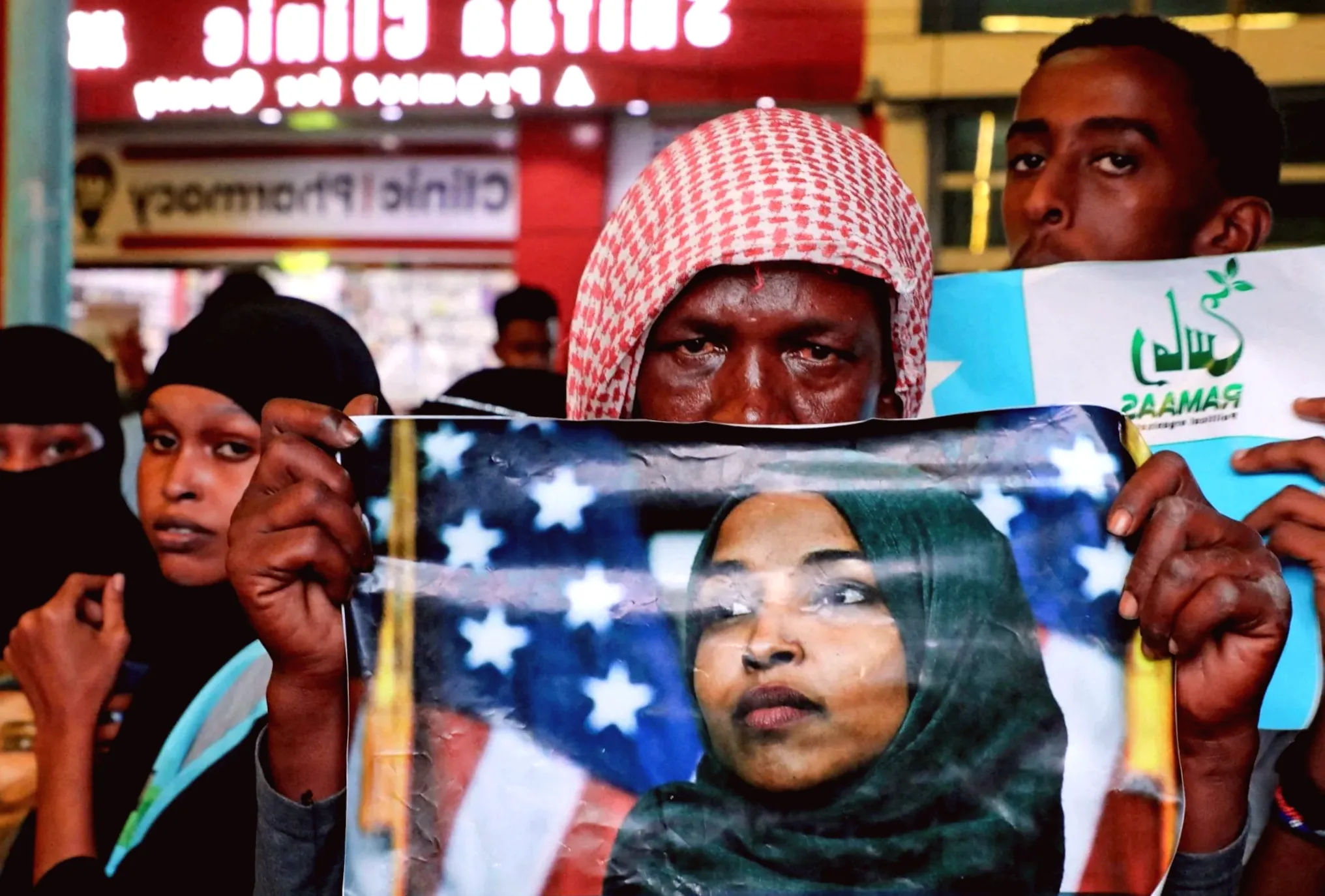
Immigration often brings more than new residents; it carries cultural practices and social norms from other countries. In the United States, some Somali immigrants have introduced patterns of life that resemble the kleptocratic behaviors seen in Somalia.
Minnesota, a scenic but chilly Midwestern state known for its 10,000 lakes, now hosts over 80,000 Somali residentsthe largest Somali population in the country. Historically, Minnesota attracted many Scandinavian immigrants who helped shape the states generous welfare programs, similar to those in Scandinavia. These welfare benefits have also drawn Somali immigrants seeking support.
Currently, 40% of Minnesotas Somali community is unemployed, and 58% live below the poverty line, according to the Council for Minnesotans of African Heritage. Despite these statistics, some individuals have amassed significant wealth by exploiting federal programs, defrauding the U.S. of nearly $1 billion. These schemes often involved funds intended for feeding children and housing the homeless, redirected instead to lavish lifestyles, including multi-million-dollar homes and extravagant spending habits.
Concerns extend beyond domestic misuse. Some funds are allegedly sent to Somalia, potentially supporting extremist groups such as al-Shabaab. A U.S. counterterrorism source remarked to journalists, The largest funder of Al-Shabaab is the Minnesota taxpayer.
These fraudulent activities reportedly began after Democrat Tim Walz became Minnesota governor in 2019. While the fraud mostly took place during the Covid-19 relief period, when states received massive federal funding, some state officials noticed the unusually high numbers of children reported by Somali-linked charities. Reporting these discrepancies often led to accusations of racism and political pressure from organizations like Feed Our Future.
The Somali community wields political influence, partly through figures like Congresswoman Ilhan Omar, who represents Minnesota and is a prominent member of the Democratic Partys progressive wing. Omar sponsored legislation, such as the 2020 MEALS Act, that was later used in fraud schemes totaling around $250 million. She has not been legally implicated, though her community ties are under scrutiny.
Former President Donald Trump has criticized Somali immigration, emphasizing concerns over assimilation and security risks. Despite this, most Somalis in Minnesota are U.S. citizens, either by birth or naturalization. While fewer than 100 individuals have been charged in related fraud cases, the majority78 out of 86are of Somali ancestry, according to The New York Times.
Many Somali immigrants in Minnesota arrived as refugees during the 1990s following the overthrow of Somalias Marxist-Leninist dictator, Mohammed Siad Barre. While some have integrated into American society, others have maintained cultural practices from Somalia, creating tensions within the states welfare system.
Author: Benjamin Carter
Share

Understanding Somalia in Light of Trump's Call for Somalis to Leave the US
5 hours ago 3 min read POLITICS

Trump focuses on Somali community in Minnesota: What you need to know
6 hours ago 3 min read POLITICS

Tim Walz criticizes Trump for derogatory remarks towards Minnesota’s Somali community: 'Unprecedented'
9 hours ago 3 min read POLITICS

Ilhan Omar criticizes Trump's 'creepy and unhealthy obsession' as raids increase
13 hours ago 3 min read POLITICS

Ex-Minnesota Governor Advises Against 'Stigmatizing' Somalis
17 hours ago 2 min read BUSINESS

Walz describes Trump's comment as 'unprecedented garbage'
18 hours ago 2 min read POLITICS

Minnesota lieutenant governor: Somali community integral part of our state
1 days ago 2 min read US

ICE ramps up operations in Minnesota as Trump advocates for stricter measures against Somali immigrants
1 days ago 2 min read POLITICS

Minneapolis supports Somali community despite Trump's criticism
1 days ago 3 min read POLITICS

Trump Official Clarifies Number of Somalis Considered Waste
2 days ago 2 min read POLITICS