

Do flies actually regurgitate on your food when they land on it?
- Last update: 53 minutes ago
- 2 min read
- 710 Views
- BUSINESS
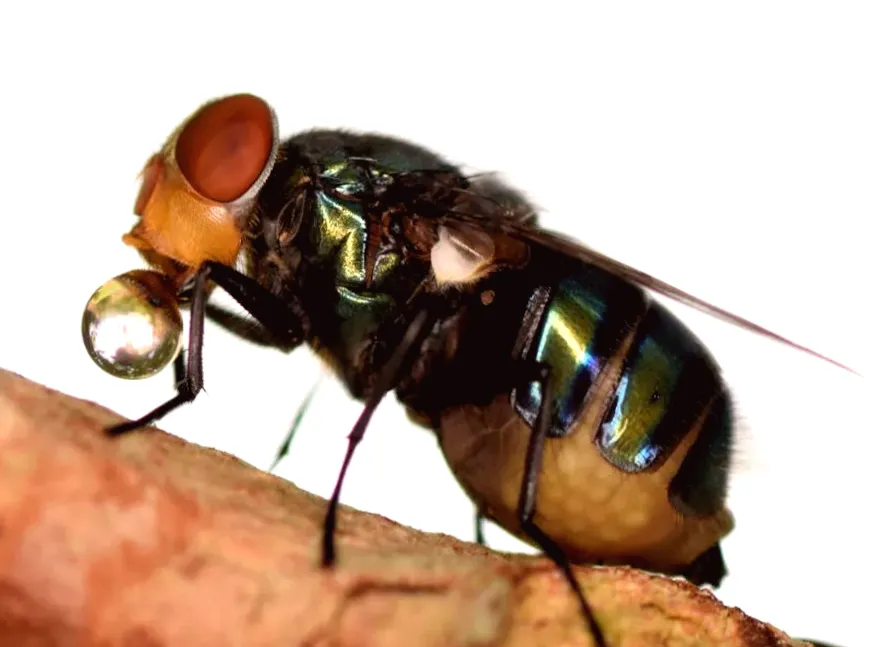
Picture yourself enjoying a picnic, about to take a bite of your sandwich, when a fly zooms in. Using its compound eyes and antennae, it navigates straight to your meal. You might see it land and seemingly spit on your food, which can look unpleasant. But whats really happening is part of the flys unique way of eating.
Most flies, among the 110,000 known species, dont have teeth and cannot chew solid food. Their mouths function like a sponge or straw. To consume solid food, they secrete digestive enzymes to break it down into a liquid form they can ingest. Essentially, many flies survive on a liquid diet.
Some flies also regurgitate partially digested food to reduce its water content, allowing them to swallow a more concentrated meal. Humans, in contrast, dont need to regurgitate food; we start digestion with saliva, which contains amylase that breaks down starches into simple sugars, making bread taste sweeter the longer we chew.
Flies have another surprising ability: they can taste with their feet. When they land, receptors on their legs detect nutrients. Flies often rub their legs together, a grooming behavior that also helps clean their taste sensors and better assess the food.
Should You Worry About Flies Landing on Food?
Flies often sit on decaying matter or garbage, collecting microbes along the way. These germs can transfer to your meal, potentially causing illnesses such as cholera or typhoid. However, if the fly only rests on your food briefly, the risk of contamination is low, and your meal is likely safe.
To avoid flies, cover food during outdoor meals and use traps indoors if necessary. Carnivorous plants can also help control fly populations naturally.
Flies and Their Role in Nature
While flies can spread germs, they also play important roles. Many visit flowers to collect nectar and help pollinate plants. They serve as food for frogs, birds, spiders, and lizards, contributing to the ecosystem. Some flies even have medical applications; for instance, blow fly maggots are used to clean infected wounds, releasing antimicrobial substances that aid healing.
Fruit flies, commonly seen around ripe fruit, have been invaluable in scientific research. Studying them helps scientists understand genetics and disease, and research on fly vision informs robotics and engineering.
So while flies can be annoying at a picnic, they are fascinating creatures with ecological and scientific importance.
Author: Riley Thompson