

Chatbots Do Not Qualify as Medical Devices
- Last update: 50 minutes ago
- 3 min read
- 654 Views
- BUSINESS
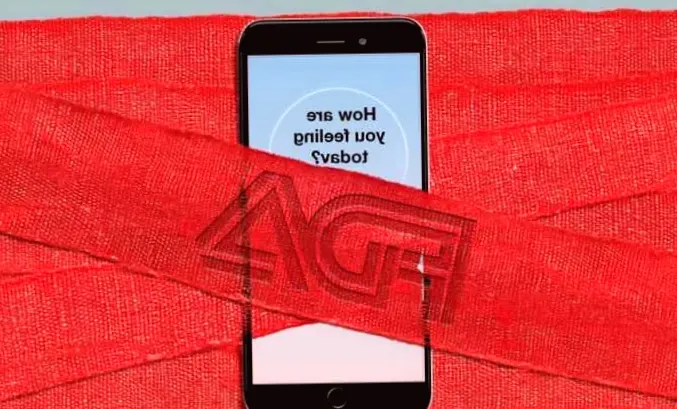
In November, the Food and Drug Administration (FDA) convened a Digital Health Advisory Committee meeting to explore whether AI-powered mental health chatbots should be treated as medical devices. The agency explained that it "intends to apply its regulatory oversight" to software that qualifies as a medical device, particularly when malfunctioning could endanger patient safety. The FDA also noted that this oversight would extend to generative AI products.
Applying medical device rules to general wellness AI chatbots would be inappropriate. Registering a medical device is costly, starting with an $11,423 annual registration fee, followed by extensive requirements for premarket performance, risk management, and postmarket reporting. These regulatory burdens increase expenses and limit accessibility, which is unnecessary for chatbots that do not perform medical functions.
According to FDA guidelines, a product is considered a medical device if it is intended to diagnose, cure, mitigate, treat, or prevent a specific disease. AI mental health chatbots, however, provide coping strategies, mindfulness exercises, and cognitive behavioral techniques to support well-beingthey do not diagnose or treat medical conditions. Since these chatbots do not deliver personalized medical interventions, they clearly fall outside the scope of medical device regulation.
There are, however, digital health tools that do qualify as medical devices. Apps like Rejoyn and DaylightRx, which claim to treat diagnosed mental health conditions, are regulated as medical devices due to their treatment-oriented nature. These apps require accountability for accuracy and effectiveness, unlike wellness-focused AI chatbots.
AI mental health chatbots offer general support rather than clinical care. They respond to user queries, summarize interactions, and suggest topics for reflection, providing therapeutic value without offering medical treatment. Companies behind these chatbots, such as Slingshot AI with Ash and Wysa, emphasize general wellness rather than diagnosis or therapy. Their tools make mental health support accessible, especially in regions with a shortage of professional providers.
Evidence shows these chatbots can improve user well-being. Therabot reduced depressive symptoms by 51% and lowered anxiety levels for many users. Ash's 10-week study found 72% of participants felt less lonely, 75% reported increased social support, and most experienced heightened hope and engagement. These benefits demonstrate that AI chatbots are effective without being medical devices.
Designating mental health chatbots as medical devices would create unnecessary barriers. These tools function more like educational or supportive aids, guided by licensed professionals, rather than clinical advisors. Companies are already implementing safeguards: ChatGPT integrates mental health expertise to de-escalate conversations and direct users to professional help, while Claude collaborates with crisis support experts to handle sensitive interactions safely. Other AI chatbots like Ash, Earkick, Elomia, and Wysa also incorporate expert input to improve user experience.
Classifying AI mental health chatbots as medical devices would impede progress and make these accessible, low-cost tools harder to use. Such regulation risks harming Americans who rely on them for support. The FDA should recognize that these chatbots provide meaningful benefits without being medical treatments.
Author: Zoe Harrison
Share

The closure of Zipcar may force me to purchase a car
13 minutes ago 3 min read BUSINESS

Potential metal fragment contamination affects multiple brands of shredded cheese sold at Aldi, Target, and Walmart
27 minutes ago 3 min read BUSINESS

Workers claim increase in minimum wage has both positive and negative effects
29 minutes ago 2 min read BUSINESS

Projeto Paradiso Unveils Bold 2026 Incubator Slate at Ventana Sur (EXCLUSIVE)
30 minutes ago 3 min read BUSINESS

Jordyn Woods Talks about Ideal Gifts for Boyfriends, Latest NBA Merch Collection at Amazon, and Launch of Her Own Clothing Label: ‘I’ve Been Anticipating This Opportunity’
30 minutes ago 2 min read BUSINESS

Scott Mills Steps Down as CEO of BET
31 minutes ago 2 min read BUSINESS

Bridge to be closed for investigation work on vehicles
33 minutes ago 1 min read BUSINESS

Succession of Lifeboats and Disordered Bath Market
34 minutes ago 2 min read BUSINESS

Closure of 'valued' path sparks petition with hundreds of signatures
44 minutes ago 2 min read BUSINESS

Elon Musk Acknowledges Difficulty in Spending Time with All His Children, Open to Welcoming More through Adoption
44 minutes ago 3 min read BUSINESS